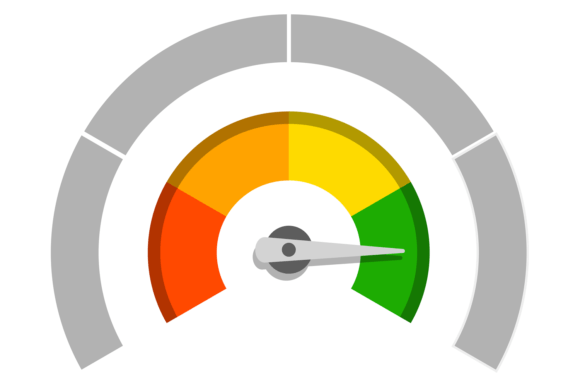
Color Meter Template. Round Arrow Gauge
A Designer’s First Glance: Clean, Playful, and Surprisingly Versatile
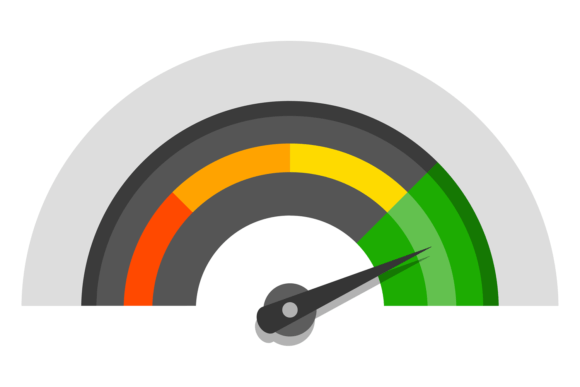
When I opened Color Meter Template. Round Arrow Gauge for the first time, my eye landed on its confident roundness—no jagged edges, no visual noise. It’s a gauge, yes, but not clinical or technical. It feels like a friendly nod to color lovers: warm, intuitive, and quietly expressive. The arrow sweeps with purpose, the dial has gentle weight, and the isolation on white means zero guesswork about clipping or background bleed. As an embroidery designer who’s stitched everything from nursery onesies to boutique aprons, I immediately saw its potential—not as a standalone icon, but as a storytelling device.
Real-World Test: Embroidering It onto a Linen Kitchen Towel
Last week, I used Color Meter Template. Round Arrow Gauge on a natural linen tea towel for a local maker’s holiday collection. We paired it with soft sage thread and a subtle satin-stitched border. The result? Customers paused mid-browse. Not because it shouted—but because it *invited*. One buyer told me she bought two: one for her own kitchen, one as a gift for her daughter, a painter. That’s the quiet strength of this design: it bridges function and feeling. It doesn’t scream “designer asset”—it whispers “thoughtfully made.”
Where It Shines (and Where It Needs Extra Care)
Color Meter Template. Round Arrow Gauge works beautifully on medium-weight fabrics where stitch definition matters: cotton tote bags, structured sweatshirts, twill aprons, and pillow covers. Its balanced proportions hold up well in 4”–5” hoops—ideal for center-chest placements or pocket accents. On baby embroidery? It reads clearly even at 3.5”, especially when paired with high-contrast thread (think navy on ivory knit). As an embroidered patch? Yes—it scales down cleanly, and the clean vector lines translate smoothly into applique design or fill-stitch execution.
But here’s where attention matters: avoid using it on highly textured fabrics like bouclé or thick terry without testing stitch density first. On stretchy fabric—say, a lightweight jersey tee—the arrow tip and inner tick marks can blur if stabilizer isn’t firm enough. And on dark fabric? Always preview in black-and-white mockups. The thin gauge lines may need slight stroke reinforcement in your embroidery software to prevent them from disappearing in dense fill areas.
What It Adds to Your Finished Product—Beyond Aesthetics
This isn’t just another digital embroidery file. Color Meter Template. Round Arrow Gauge elevates perception. On an Etsy listing for personalized gifts, it signals care and cohesion—like the designer considered not just *what* is stitched, but *why* it belongs there. For craft business owners, it strengthens brand consistency when repeated across product families (e.g., matching tea towels, oven mitts, and recipe cards). For commercial embroidery shops, it’s a reliable, scalable asset that clients recognize as polished—not generic.
Its visual personality also boosts giftability. Unlike abstract shapes or overused motifs, this gauge carries gentle meaning: creativity, balance, personal taste. That resonance builds customer trust—especially for handmade product buyers who value intention behind every stitch.
Practical Notes Every Embroidery Designer Should Run Through
- Test first—on scrap fabric matching your final project’s weight and weave. Linen behaves differently than cotton poplin; knits behave differently than canvas.
- Check thread color contrast early. This design relies on clarity—not just hue, but value. A light yellow arrow on cream fabric may vanish after washing.
- Review stitch density. If converting from the provided SVG or EPS into a machine embroidery design, watch for tiny inner segments—they can become fragile under heavy wear.
- Confirm hoop size compatibility. While the graphic itself is flexible, your digitized version must respect physical hoop limits—especially for curved surfaces like caps.
- Inspect small details at actual stitch-out scale: arrow tip sharpness, spacing between gauge ticks, and whether the center circle holds shape without puckering.
- Use proper stabilizer. Medium-cutaway works best for most applications; tear-away suffices only for stable wovens.
- Verify licensing before selling finished items or bundling Color Meter Template. Round Arrow Gauge into digital product kits. Since it’s categorized under Illustrations and Graphics, usage rights aren’t implied—always confirm.
Final Thought: A Quietly Confident Design Asset
Color Meter Template. Round Arrow Gauge won’t dominate a collection—but it’ll anchor it. It’s the kind of embroidery file that makes customers say, “I *get* this brand,” not “What is this?” Whether you’re stitching custom apparel for a local café, designing holiday embroidery for a craft fair, or building cohesive digital design assets for your Etsy shop, this gauge delivers clarity without coldness. It’s practical, personable, and built to last—not just in file format, but in how it lands on the finished product. Just remember: great embroidery starts with thoughtful review, not just quick import. Give this one the attention it deserves—and your tote bags, sweatshirts, and personalized gifts will feel just a little more intentional.